Marc Jacobs Daisy

In this review
In the annals of modern perfumery, few fragrances have captured the zeitgeist quite like Marc Jacobs Daisy. Launched in 2008, Daisy emerged not merely as a scent, but as a cultural phenomenon, embodying an era's longing for whimsical charm, youthful optimism, and understated elegance. Conceived by the eminent master perfumer Alberto Morillas, Daisy transcended fleeting trends to establish itself as a perennial favorite, a testament to its meticulously crafted composition and universal appeal. It arrived as a refreshing counterpoint to the more opulent or overtly sensual fragrances of its time, offering a bouquet that felt both familiar and uniquely enchanting.
Daisy's enduring legacy is rooted in its ability to evoke a sense of carefree joy and sophisticated simplicity. It speaks to a demographic that appreciates beauty without pretense, a fragrance that whispers rather than shouts. Its iconic bottle, adorned with playful daisy caps, became an instant collectible, mirroring the fragrance's lighthearted yet refined spirit. As we delve into the intricate layers of its olfactory architecture, we uncover a masterful orchestration of notes that work in harmonious synergy to create an experience that is both comforting and exhilarating.
This scholarly review aims to deconstruct Marc Jacobs Daisy Eau de Parfum, analyzing its composition, examining its performance metrics, and placing it within the broader context of contemporary fragrance trends and its historical lineage. We shall explore how Morillas ingeniously balanced fruity vivacity with delicate florals and a grounding base, crafting a scent that continues to resonate with fragrance enthusiasts worldwide, cementing its status as a quintessential floral-fruity icon.
$50-$120
Accords
fruity
floral
green
powdery
woody
musky
white floral
ozonic
violet
citrus
aquatic
sweet
Notes Pyramid
Top
Violet LeafStrawberryGrapefruit
Heart
VioletJasmineGardenia
Base
MuskVanillaWhite Woods
Performance Dashboard
⏱️ Longevity
6-10 hours
📢 Projection
Moderate, perceptible to those in close proximity during the initial hours, gradually becoming a more intimate skin scent.
💨 Sillage
Moderate, creating a pleasant aura within arm's length without being overwhelming.
When to Wear
🌸SpringBest
☀️SummerBest
🍂FallOK
❄️WinterAvoid
💼 office💕 date night📌 casual daytime📌 brunch📌 garden parties📌 everyday wear
Pros & Cons
- ✅ Universally appealing and widely loved scent profile
- ✅ Versatile for various occasions and seasons (especially warmer months)
- ✅ Elegant and iconic bottle design
- ✅ Masterfully blended composition by a renowned perfumer
- ✅ Offers a clean, fresh, and uplifting olfactory experience
- ✅ Excellent gateway fragrance for those new to perfumery
- ❌ Moderate performance may not satisfy those desiring strong sillage or longevity
- ❌ Can be perceived as common or less unique due to its widespread popularity
- ❌ Price point might be a consideration for its performance metrics
- ❌ May not appeal to those who prefer heavy, oriental, or gourmand fragrances
Price & Value
$50-$120
“Within its typical price range for a designer Eau de Parfum, Marc Jacobs Daisy offers reasonable value. While its performance is moderate, the quality of its composition, iconic status, and versatility justify its cost for many discerning consumers.”
Reformulation History
No significant batch variations reported for Marc Jacobs Daisy Eau de Parfum, indicating consistent quality and formulation across production runs.
The Family
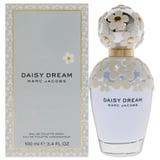 Marc Jacobs Daisy Dream
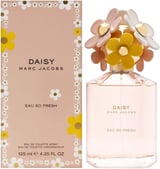 Marc Jacobs Daisy Eau So Fresh
 Marc Jacobs Daisy Love
 Marc Jacobs Daisy Twinkle
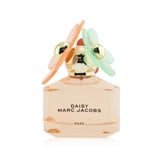 Marc Jacobs Daisy Daze
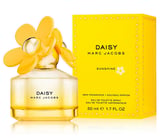 Marc Jacobs Daisy Sunshine
Explore More
Similar Fragrances
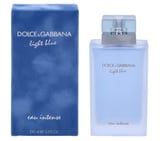 Dolce & Gabbana Light Blue Eau Intense
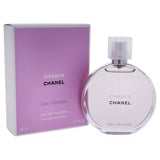 Chanel Chance Eau Tendre
You May Also Enjoy
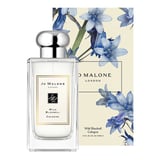 Jo Malone London Wild Bluebell
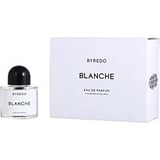 Byredo Blanche
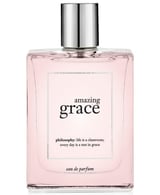 Philosophy Amazing Grace
 Clean Reserve Warm Cotton
 Narciso Rodriguez for Her Pure Musc
 Perfect EDT
 Perfect by Marc Jacobs
 Daisy Dream Forever
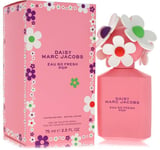 Daisy Pop Art Edition
Layering Ideas
- For enhanced greenness: Layer with a simple violet leaf or green tea body mist.
- For added sweetness: Combine with a light vanilla-scented lotion or a subtle strawberry body spray.
- To boost muskiness: Pair with a clean, white musk oil or another musk-centric fragrance.
- For a brighter citrus lift: Layer with a pure grapefruit or lemon zest fragrance.
- To deepen the floral heart: Use with a jasmine or gardenia single-note enhancer.
Final Verdict
Marc Jacobs Daisy Eau de Parfum remains a quintessential floral-fruity fragrance, a testament to its masterfully balanced composition and enduring appeal. While its moderate performance might not satisfy all, its undeniable charm, versatility, and iconic status secure its place as a beloved classic. It is an olfactory embrace of optimism and grace, perfect for those seeking a sophisticated yet approachable signature scent.
More fragrances we love
Sponsored picks
You may also like
floral-fruitydesigner fragranceAlberto MorillasMarc Jacobsiconic scentspring fragrancesummer fragrancevioletjasminemuskdaytime fragranceversatile