Perfumer's Workshop Tea Rose
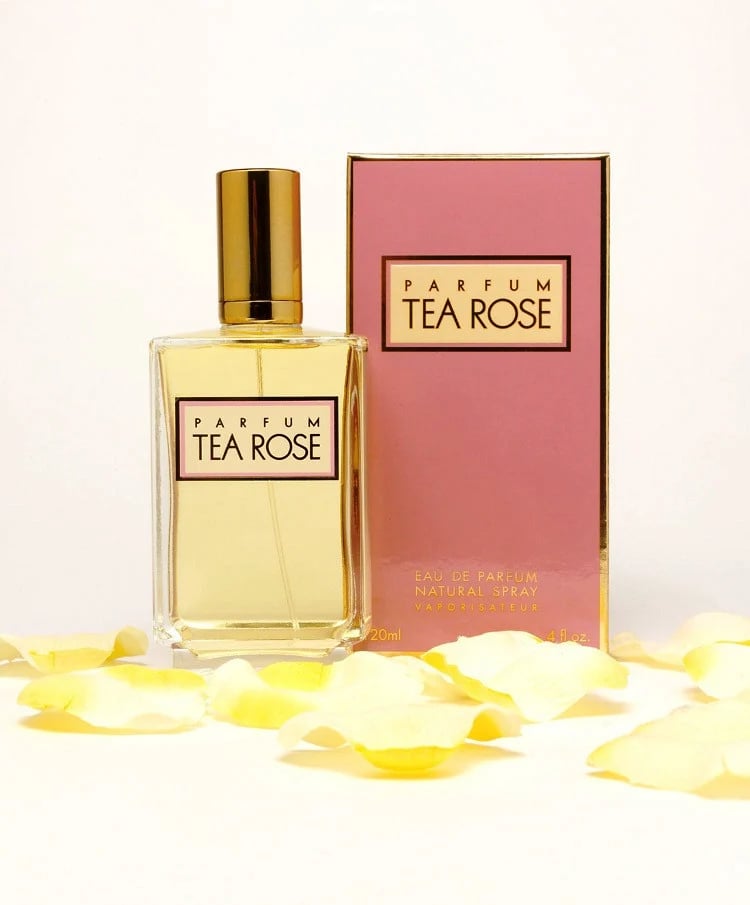
In the world of fragrance, few roses have achieved the cult status of Perfumer's Workshop Tea Rose. Launched in 1977, this unapologetically floral scent arrived at a time when the perfume industry was shifting from heavy, opulent chypres toward lighter, more natural compositions. Tea Rose captured the spirit of the late '70s—a decade of earthy authenticity, feminist awakening, and a return to botanical simplicity. It wasn't just a perfume; it was a statement: that a woman could smell like a garden in full bloom without breaking the bank.
Today, Tea Rose remains a beloved classic, often described as the most realistic rose scent at its price point. Its composition is deceptively simple—a trio of rose varieties supported by fresh, green notes—yet it manages to evoke everything from a dewy English garden to a bohemian artist's studio. For fragrance enthusiasts, it's a benchmark of naturalism; for newcomers, it's an affordable entry into the world of soliflores. In this review, we'll explore why this 1977 gem still resonates, how it performs, and who should—and shouldn't—wear it.
Accords
Notes Pyramid
Scent Journey
The first spray is a burst of fresh, slightly green florals. Peony adds a lush, watery sweetness while chamomile introduces a gentle herbal, almost tea-like nuance. It's bright and inviting, like walking through a greenhouse at dawn.
Within minutes, the heart unfolds into a rich, multi-faceted rose bouquet. Bulgarian Rose offers a deep, honeyed warmth, Damask Rose brings a classic velvety elegance, and Tea Rose contributes a crisp, almost citrusy edge. The effect is a photorealistic rose garden—dewy, romantic, and slightly powdery.
As the fragrance settles, the rose softens into a green, woody base. Geranium adds a minty, rosy-green touch, violet leaves lend a subtle, earthy violet-like sweetness, and cedarwood provides a clean, dry foundation. The final impression is a soft, skin-hugging scent that whispers rather than shouts.
Performance Dashboard
Moderate longevity, typically 4–6 hours on skin. Longer on clothes.
Moderate projection; noticeable for the first hour, then settles close to the skin.
Moderate sillage—leaves a soft trail within arm's reach, not overwhelming.
When to Wear
Pros & Cons
- ✅ Incredibly affordable for a natural-smelling rose
- ✅ Photorealistic rose bouquet—one of the best at its price
- ✅ Versatile for layering with other fragrances
- ✅ Light and airy, perfect for warm weather
- ❌ Moderate longevity; requires reapplication
- ❌ Linear composition—little evolution after the heart
- ❌ May smell too simple or 'soapy' to some noses
- ❌ Not ideal for cold weather or formal events
Price & Value
“A steal for rose lovers. You get a beautifully crafted soliflore that rivals many designer roses at a fraction of the cost.”
📜 Reformulation History
No significant batch variations reported. The formula has remained consistent since its launch, though some vintage bottles may have a slightly richer opening due to aging.
Who It's For
✅ Ideal For
- Rose lovers seeking an authentic, natural-smelling floral
- Fans of vintage perfumery and soliflores
- Anyone on a budget who wants a quality rose scent
- Layering enthusiasts looking for a pure rose base
⚠️ Not Recommended For
- Those who prefer complex, multi-layered modern fragrances
- People who dislike strong floral or powdery notes
- Individuals seeking long-lasting, high-projection scents
Explore More
🔍 Similar Fragrances
More from Perfumer's Workshop
🧪 Layering Ideas
- Layer with a vanilla or amber scent (e.g., Vanilla 28 by Kayali) to add warmth and depth.
- Mix with a clean musk (like Glossier You) for a soft, skin-like rose.
- Spritz over a citrus cologne (e.g., Dior Homme Cologne) for a fresh, sparkling rose.