Yves Saint Laurent Opium Review: A Monumental Oriental Icon
The Olfactory Chiaroscuro of Jean-Louis Sieuzac’s 1977 Masterpiece
By Vivir··Updated
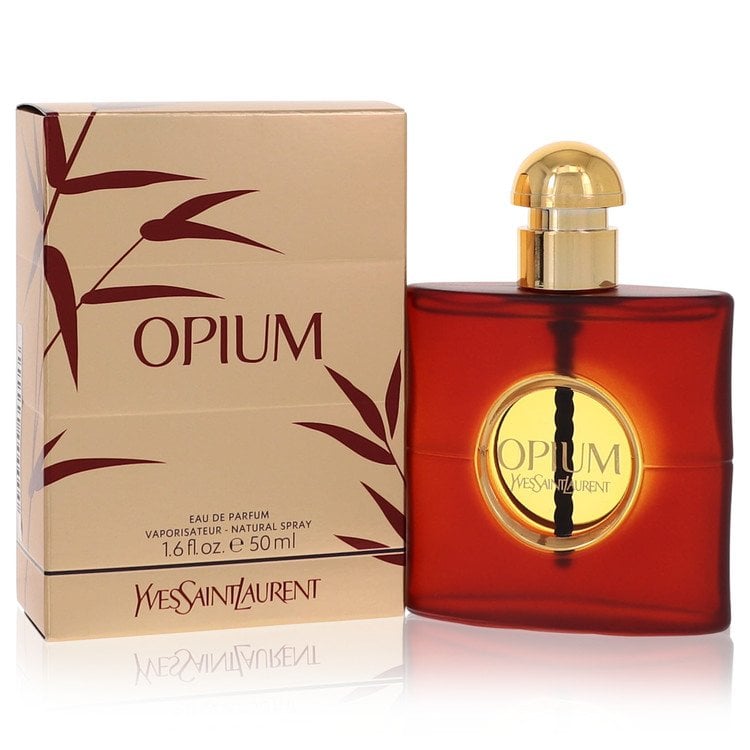
In the annals of perfumery, few releases have incited as much fervor, controversy, and eventual reverence as the 1977 debut of Yves Saint Laurent’s Opium. Launched during a period of transition in the fragrance world, Opium was not merely a scent; it was a socio-cultural phenomenon that challenged Western sensibilities regarding the 'Orient.' Its provocative name and the opulent, Inro-inspired bottle designed by Pierre Dinand signaled a departure from the clean, green florals of the early 70s, ushering in an era of unapologetic decadence.
As a historian, one must view Opium through the lens of Yves Saint Laurent’s own fascination with Chinoiserie and his desire to evoke a sense of 'fatal' beauty. The fragrance was a collaborative triumph of Jean-Louis Sieuzac, Jean Amic, and Raymond Chaillan, who synthesized an unprecedented concentration of resins and spices. This review seeks to deconstruct the vintage formulation, exploring why this specific composition remains the definitive benchmark for the spicy amber family.
Longevity
5.0
Projection
5.0
Sillage
5.0
$80-$200
🌸Spring☀️Summer🍂Fall❄️Winter
Accords
Warm Spicy25%
Amber20%
Balsamic15%
Woody10%
Aromatic8%
Powdery7%
Smoky5%
Sweet5%
Fresh Spicy5%
Notes Pyramid
Top
ClovesPepperCorianderWest Indian BayPlumJasmineMandarin OrangeCitrusesBergamot
The initial 30 minutes are a pyrotechnic display of eugenol-rich cloves and sharp black pepper, tempered by the dark, lactonic sweetness of plum and a fleeting burst of mandarin. It is aggressive, dry, and immediately commanding.
2
Heart1-2 hrs
The heart emerges as the spices integrate with a waxy, clove-like carnation. Sandalwood and patchouli provide a sturdy, earthy skeleton, while the orris root adds a sophisticated, slightly dusty powderiness that bridges the transition to the base.
3
Drydown4+ hrs
After four hours, the fragrance settles into its legendary balsamic cathedral. The interplay of myrrh, opoponax, and tolu balsam creates a thick, resinous smoke, supported by the animalic warmth of castoreum and a deep, non-gourmand vanilla.
Performance Dashboard
⏱️ Longevity5.0/5
Exceeds 12 hours on skin; remains on fabric for days.
📢 Projection5.0/5
Powerful for the first 4-6 hours, maintaining a significant presence thereafter.
💨 Sillage5.0/5
Enormous; leaves a dense, recognizable trail that fills a room.
❌ Difficult to find well-preserved vintage bottles
❌ Too potent for casual wear
Price & Value
$80-$200
High for vintage specimens
“An essential investment for any serious perfume historian or collector.”
Reformulation History
Significant differences exist between the 1977 original, the 2009 reformulation in the translucent bottle, and modern iterations. Vintage versions contain higher levels of eugenol and animalic fixatives.
Layer with a pure Sandalwood oil to enhance the creamy woody facets
Apply over a Labdanum-heavy base to deepen the resinous smoke
Final Verdict
The vintage Opium is a towering achievement of 20th-century art, offering a complexity and narrative depth that modern IFRA-regulated scents cannot replicate. It remains the definitive 'Spicy Oriental,' demanding respect and a refined palate to fully appreciate its baroque splendor.
 Opium pour Homme
 Black Opium
 Opium Vapeurs de Parfum
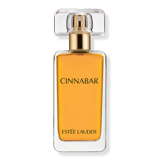 Cinnabar
 Youth-Dew
 Shalimar
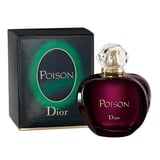 Poison
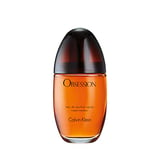 Obsession
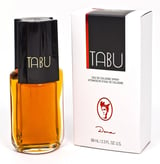 Tabu
Tabu
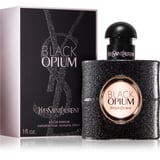 YSL Black Opium
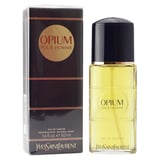 Opium pour Homme EDP (Vintage)
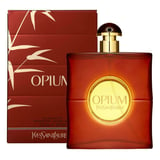 YSL Opium
 YSL Y EDP
 YSL Opium pour Homme
 Y Laform